
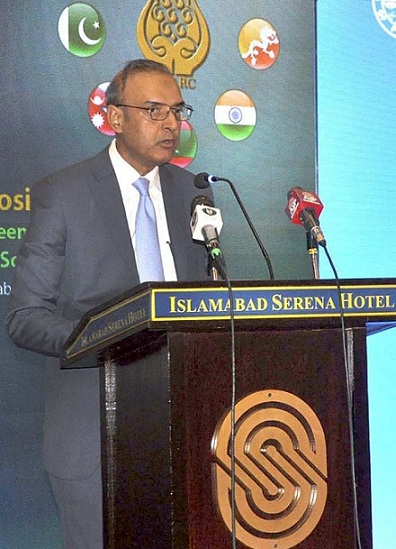
Governor State Bank of Pakistan (SBP), Jameel Ahmad, urged banks to move beyond traditional lending approaches and reliance on government supported schemes and develop sector specific products that match the cash-flow cycles of agriculture, SMEs, and other productive sectors.
The SBP governor, addressing the concluding session of Pakistan Banking Summit 2026, said that expanding financing to priority sectors will support entrepreneurship, create jobs, raise productivity, and strengthen Pakistan’s long-term growth potential.
Identifying expansion of financing to priority sectors as one of the most important challenges for Pakistan’s financial sector, he said that agriculture, SMEs, and affordable housing were critical drivers of employment, exports, and economic resilience.
Referring to ongoing digital transformation in the banking industry due to rapid advances in artificial intelligence and digital technologies, he said that SBP was pursuing a futuristic reform agenda with focus on accelerating digital transformation, harnessing emerging technologies, including artificial intelligence, promoting customer-centric financial services, expanding financing for priority sectors, and integrating climate and sustainable finance into the financial system.
The SBP governor urged banks to view digital transformation as a long-term strategic investment rather than a technology project and develop products and services that respond to the evolving needs of customers, particularly women, youth, SMEs, and other underserved segments.
The policy framework is firmly in place and the next step is to translate these opportunities into scale through innovation, partnerships, and sustained commitment from the banking industry, he emphasized and advised banks to strengthen credit assessment through alternative data, expand outreach to underserved businesses and make greater use of digital platforms to reduce transaction costs.
The governor highlighted the central bank’s initiatives for modernizing agricultural finance, promoting value-chain financing and investment in storage infrastructure, climate-resilient agriculture, use of digital technologies, land information systems, and alternative delivery channels to improve access to finance, particularly for small farmers.
SBP not only strengthened refinance, guarantee, and risk-sharing arrangements through various initiatives but also removed key regulatory barriers and revised the prudential regulations for SME financing, he informed.
These reforms resulted in a significant increase in outstanding SME financing and the number of SME borrowers, he said, adding that a target has been set to increase outstanding SME financing to Rs. 1.5 trillion by June 2028 and expand the number of SME borrowers to 750,000.
He urged the banks to make greater use of technology, data, and partnerships with fintechs and other service providers. The revised regulatory framework provides banks with greater flexibility to design products that reflect the diverse needs and risk profiles of different sectors, he added.
- Spotify Celebrates Atif Aslam’s Subah Aye Na with Fans and Artists in Karachi
- BYD Expands Customer Access in Lahore with New 3S Dealership
- Spotify’s Editorial Team Picks The Best Pakistani Songs of the Year So Far 2026
- Onic Marks Three Years of Redefining Digital Telecom, Rooted in the Spirit of Azaadi
- SECP approves public offering of Naya Nazimabad Apartment REIT