
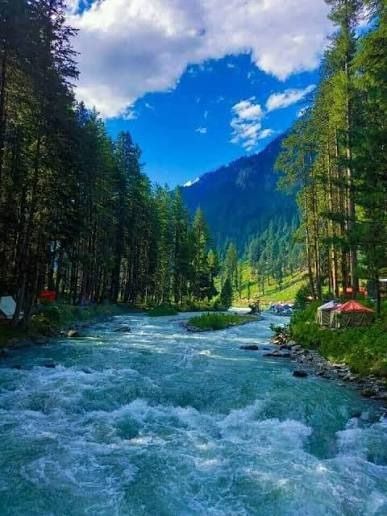
As clouds drifts through towering deodar forests after hide-and-seek with the sun, Kumrat Valley in Dir Upper district comes alive in the monsoon, offering visitors an enchanting escape from the sweltering summer heat of Pakistan’s plains.
Intermittent rain, cool mountain breezes and waterfall emanating from distant snow-clad peaks have turned the picturesque valley into a dream destination for families, trekkers and adventure seekers, turning it into wonderland.
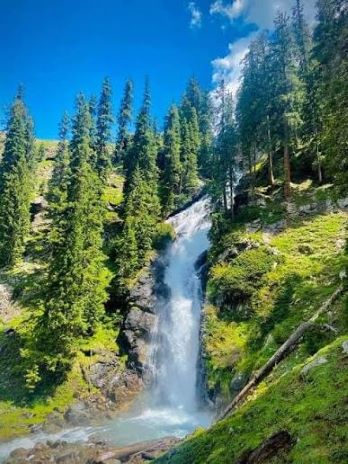
Every winding trail, roaring waterfall and emerald meadow tells a story of nature’s untouched splendour, drawing thousands of tourists eager to experience one of Khyber Pakhtunkhwa’s most captivating landscapes during monsoon.
Nestled about 45 kilometres from Thall town along the banks of the River Panjkora, Kumrat Valley has rapidly emerged from relative obscurity to become one of Pakistan’s most sought-after tourist destinations.
Although discovered by mainstream travellers only a few years ago, its pristine beauty continues to surprise even seasoned explorers and adventure sports enthusiasts.
Hotels, guesthouses and makeshift inns are filled to capacity during the peak summer season, while many visitors pitch tents beneath centuries-old deodar trees to immerse themselves in the valley’s serene atmosphere.
For Naveed Khan, a lecturer from Nowshera district, Kumrat offers far more than scenic beauty and waterfalls but its measmerizing beauty take tourists into lap of serenity.
Sitting with his family beside a campsite, preparing tea on a portable stove while his children played football nearby and the patriotic song echoed from his mobile phone, he described the experience as unforgettable amid light drizzles taking his family over-the-moon.
“The cool breeze descending from the snow-covered mountains, the magnificent Black Cheshma waterfall and the delicious brown trout make Kumrat truly truely special,” he said.
He believed that the valley’s majestic deodar forests are among its greatest treasures and stressed the need to protect them by providing alternative energy sources to local communities, reducing dependence on firewood.
While praising the valley’s natural attractions, Naveed also highlighted challenges facing tourists at Kumrat. He urged the provincial government to regulate hotel tariffs during the tourist season and expand accommodation through camping pods and public rest houses.
“The road from Patrak to Thall Bazaar also needs urgent repair,” he said. “Improved road infrastructure will encourage more tourists to visit, creating greater economic opportunities for local communities.”
Economists said tourism could become a major driver of Pakistan’s economy if destinations like Kumrat receive sustained investment and global promotion.
Economist Sumbul Riaz said ecotourism and adventure sports had become a powerful engine of economic growth worldwide and Kumrat can become a popular hill station like Muree and Kalam.
She said that countries such as China, Malaysia and Indonesia have generated billions of dollars through tourism, while Pakistan, despite its extraordinary natural beauty, mountains wealth and rich archaeological heritage, has yet to realise its full potential.
“Today is the age of digital media,” she said. “The breathtaking beauty of Kumrat Valley should be showcased through documentaries, films and social media platforms to attract international tourists and strengthen the rural economy.”
She said Pakistan’s mountain landscapes, Gandhara heritage and Indus Valley civilisation provide unique attractions that deserve far greater international visibility. Short videos, digital campaigns and partnerships with foreign tour operators, he added, could significantly enhance the country’s tourism profile.
She also expressed optimism that improved connectivity under infrastructure projects, China Pakistan Economic Corridor and Dir Motorway would accelerate tourism growth across Khyber Pakhtunkhwa and Gilgit-Baltistan.
With construction of Dir Motorway, Kumrat valley will become epicentre for tourists in Dir Upper district.
He observed that while Swat has already become a hub for skiing, water sports and trout fishing, further development of Kumrat would distribute tourist traffic more evenly and create fresh livelihood opportunities across the region.
The future of tourism in Kumrat may be transformed further through an ambitious cable car project linking the valley with Madaklasht in Lower Chitral.
The proposed cable car project, estimated to cost around US$ 200 million with World Bank assistance, is expected to become one of the country’s most significant tourism ventures.
The planned 14-to-16-kilometre cable car would include a base station at Kumrat, intermediate stations, parking facilities for around 500 vehicles, hotels, mosques, walking tracks and supporting infrastructure, including small hydropower facilities.
The project is expected to be completed within seven to eight years. Environmental considerations, including waste management and sustainable infrastructure development, will also form part of the project planning.
Officials estimate that once completed, the cable car could attract nearly 1.2 million domestic and international tourists annually, providing a substantial boost to tourism across the Malakand region.
For now, however, Kumrat’s greatest attraction remains its timeless simplicity.
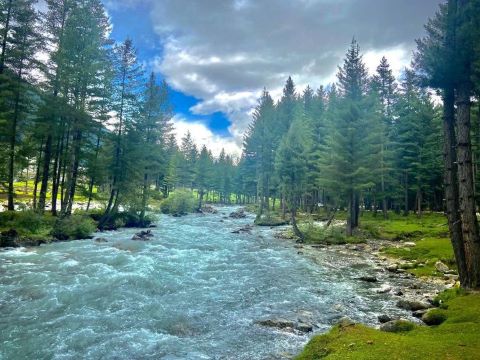
As rain showers sweep across alpine meadows, clouds embrace the towering peaks and the Panjkora River rushes through the breathtaking Kumrat valley where visitors find themselves slowing down, breathing deeply and reconnecting with nature.
In a fast-changing world, Kumrat Valley offers something increasingly rare being a place where the rhythm of flowing water, whispering pines and drifting mist reminds travellers that nature’s finest experiences are often found far from the noise of everyday life.
- Spotify Hands Creative control to TYLER, The creator for its latest FC Barcelona Jersey takeover
- Mega Motor Renews Partnership for BYD Karachi Marathon 2027, Announces ‘She Runs’ to Train Women Athletes
- Syngenta and Kyoyu Agri partner on innovative rice herbicide
- Fatima Fertilizer Becomes First Company to Join Hands with Government of Punjab’s EP&CCD for Environmental Sustainability
- LUMS Energy Institute Hosts 2nd National Consultative Workshop on Power Sector Indigenization Roadmap