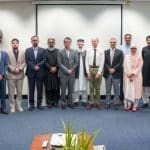

The Ambassador of Sweden Ms. Alexandra Berg von Linde, while commenting on Sweden-Pakistan trade and investment ties, stated that more than 40 Swedish companies have been established in Pakistan, of which many were known Swedish brands and have been present here for many decades but these Swedish companies face challenges including high tax rates when it comes to foreign investment, high energy prices and the difficulties in transferring foreign currencies.
“These companies have played a significant role in Pakistan’s growth and are well-versed in the complexities of the local business environment. They recognize the potential for investment here; however, addressing these challenges is essential for creating a more conducive environment for foreign investment,” she stated during a meeting with the Karachi Chamber of Commerce & Industry (KCCI).
Ambassador von Linde emphasized Sweden’s interest in enhancing cooperation with Pakistan, particularly in sustainability, digitalization, and green transitions. “These areas offer a win-win opportunity for both countries,” she added. “For Pakistan to stay competitive and relevant in the EU market, a green transition is essential.”
- SECP removes barriers to opening stock market accounts
- Mobilink Bank, Yango Pakistan partner to enable Shariah-compliant financing and Embedded Insurance for Registered Drivers
- Spotify Celebrates Atif Aslam’s Subah Aye Na with Fans and Artists in Karachi
- BYD Expands Customer Access in Lahore with New 3S Dealership
- Spotify’s Editorial Team Picks The Best Pakistani Songs of the Year So Far 2026
She further noted that Swedish Business Council in Pakistan has been working actively to promote trade between the two countries by expanding and strengthening business links. “It is an entry point for Swedish companies that are interested in the Pakistani market.”
Commenting on SVP’s remarks about GSP Plus, the Swedish Envoy said, “GSP Plus is an open and generous system that promotes economic growth, and sustainable development. At the same time, we all know that there are conditions attached to the GSP system in terms of implementation of international conventions whether it is about human or labor rights, environmental regulations, or governance principles. I know that Pakistan is working closely and continuously with the European Union to stay aligned with the GSP regulations.”
She stated, “We are also pleased to see talented and highly educated students traveling from Pakistan to Sweden each year to pursue higher education. These students serve as excellent ambassadors, as they return and contribute with the specialized knowledge they acquired in our country. They either join Swedish companies or launch innovative business ideas in collaboration with Sweden. This, we believe, is one of the highlights of our relationship.”
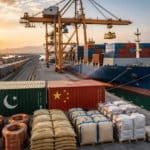
He noted that the EU has consistently been Pakistan’s largest export destination, with exports surpassing the $8 billion mark in FY24 whereas Sweden has emerged as a significant trading partner for Pakistan. “Sweden has consistently supported the growth of trade with Pakistan through the GSP+ framework, and we look forward to its continued valued assistance in this regard”, he said, adding that the EU’s GSP+ offers crucial incentives that enhance Pakistan’s exports to Sweden & other EU nations, having a GDP size of around $18 trillion.
He was of the view that Pakistan’s bilateral trade volume with Sweden is much lower than its full potential, hence, both countries should further enhance this volume to a reasonable level and exploit the available opportunities for further economic integration. “There is immense potential for Swedish investors to explore business and investment opportunities in the Textile sector, agriculture, infrastructure, renewable energy, sustainable technologies, waste management, IT, and healthcare to boost bilateral trade & take advantage of the business-friendly environment in Pakistan”, he added.